Your Gateway to the East Coast & Yorkshire Moors…
Alerts & Notices
Welcome to Cayton Parish Council
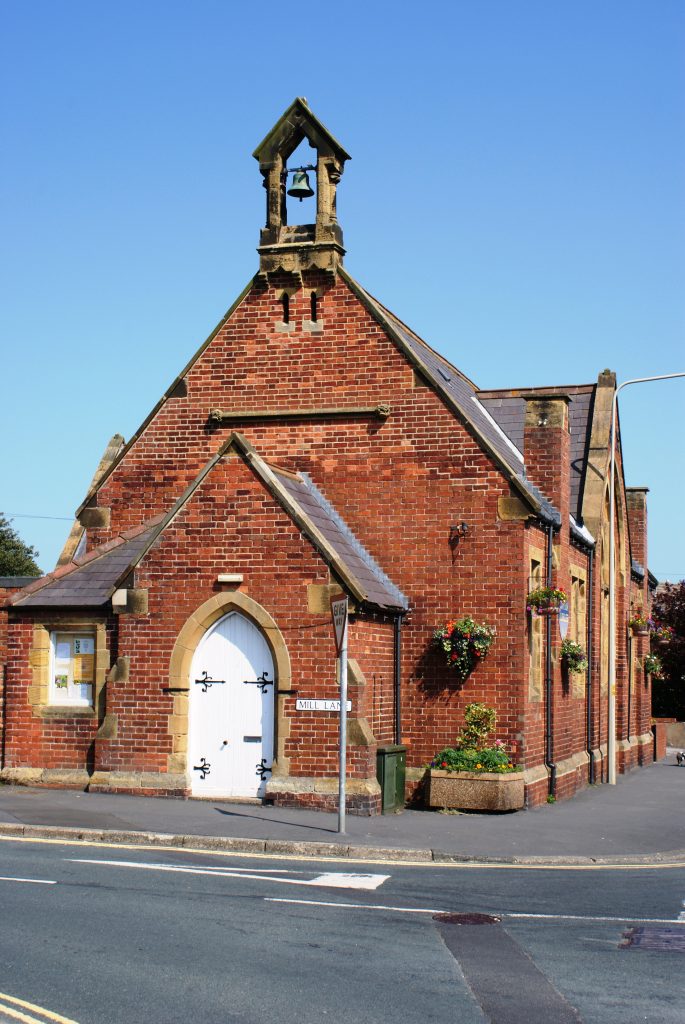
Cayton is a an outstanding village and civil parish in the Scarborough Borough of North Yorkshire, England. Containing it’s very own bay, a surfers paradise awarded the ENCAMS Seaside Award and flying the distinctive blue and yellow flag. Cayton Bay beach is also Marine Conservation Society Recommended and one of only 105 British Isle beaches awarded the Quality Coast Award….
What’s on in Cayton..
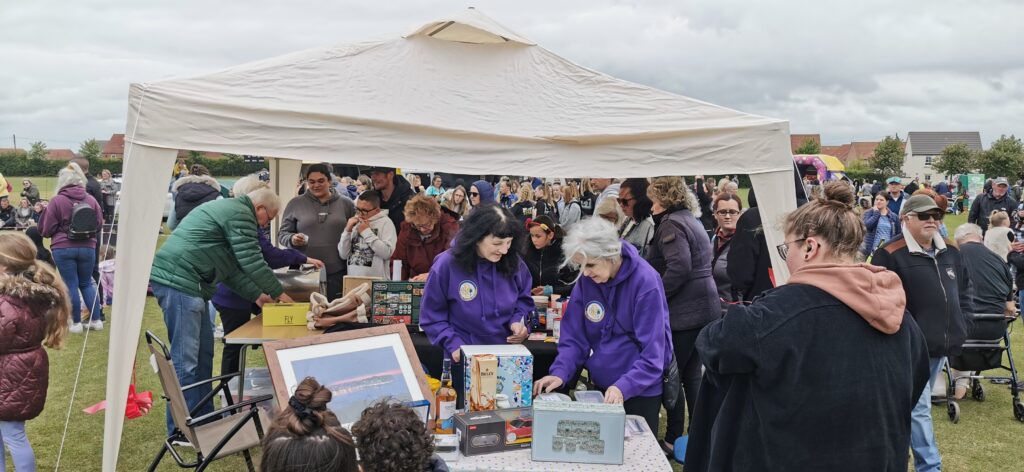
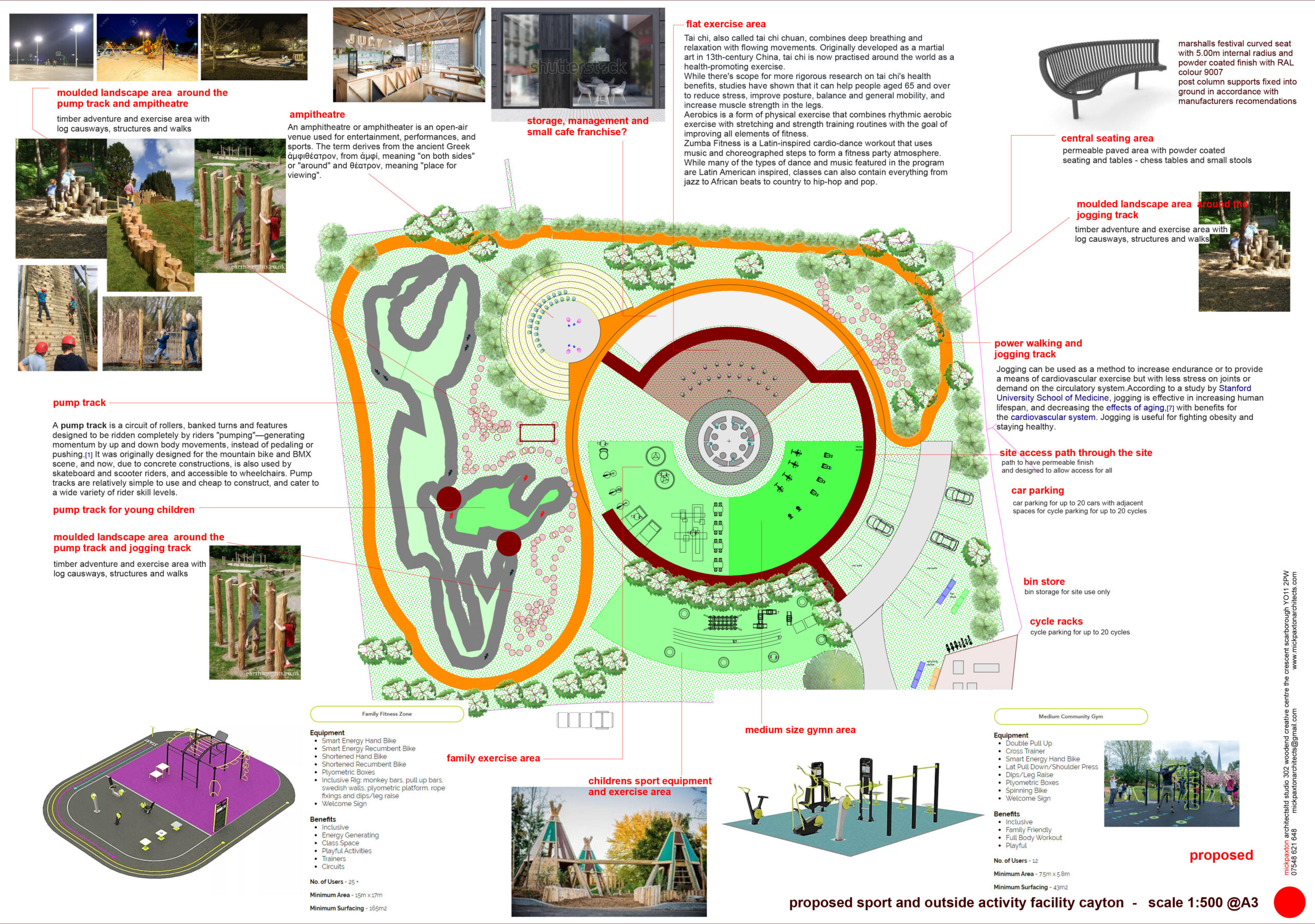
What’s going on locally, our events diary will help you find events around the village and our wider area, if you know of any local events that you feel should be listed here please contact us and we will update as needed.
Cayton Community Drop In
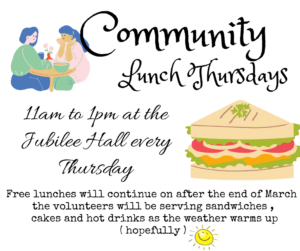
Volunteers will be hosting free light lunches every Thursday 11am to 1pm at the Jubilee Hall. This is to give residents in Cayton, Cayton Bay and Killerby a warms space to socialise at each week, make new friends and access to a computer will be available if you need to apply for something online too.
Cayton Parish Newsletter
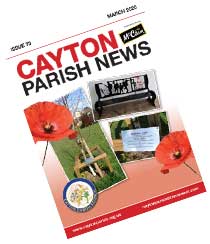
The Cayton Parish News Archives, download the latest newsletter with news and information for our local area. The Parish Council does not endorse any of the products or services advertised in this publication by external customers. Views expressed are those of the contributors & may not be those of the Parish Council.
Meetings & events
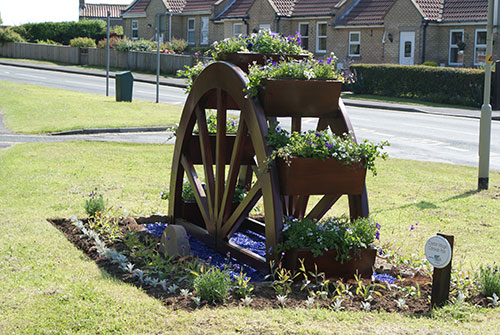
Meetings & Local Events.
Cayton Parish Council meetings start at 7.00pm
Full Council 3rd Tuesday of every month unless stated
The December meeting will start at 6.30pm promptly , all other monthly Full Council meetings will start at 7pm
Crime Prevention & Advice
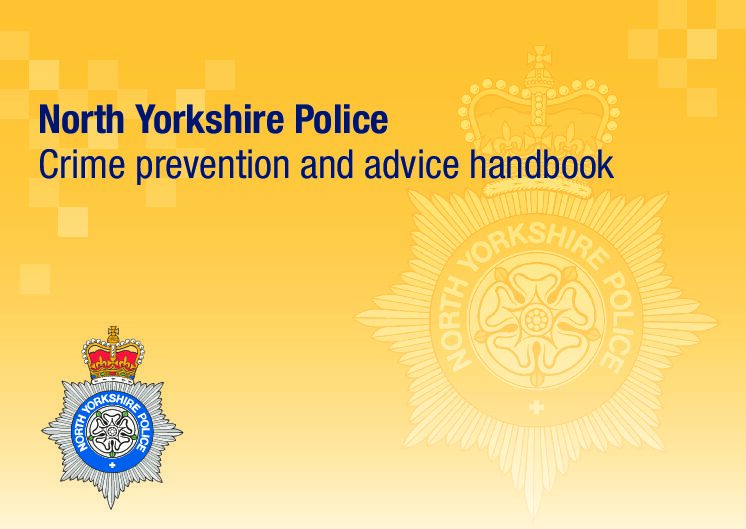
This publication has been created to help you give advice to members of the public. It contains National Police guidance on
crime prevention in various categories.
Local planning..

All local Planning Applications are dealt with by Scarborough Borough Council, you can find out full information on all applications and how your Parish Council responds. All applications are available to the public and you can submit comments by email or post to SBC.
Latest Press Releases
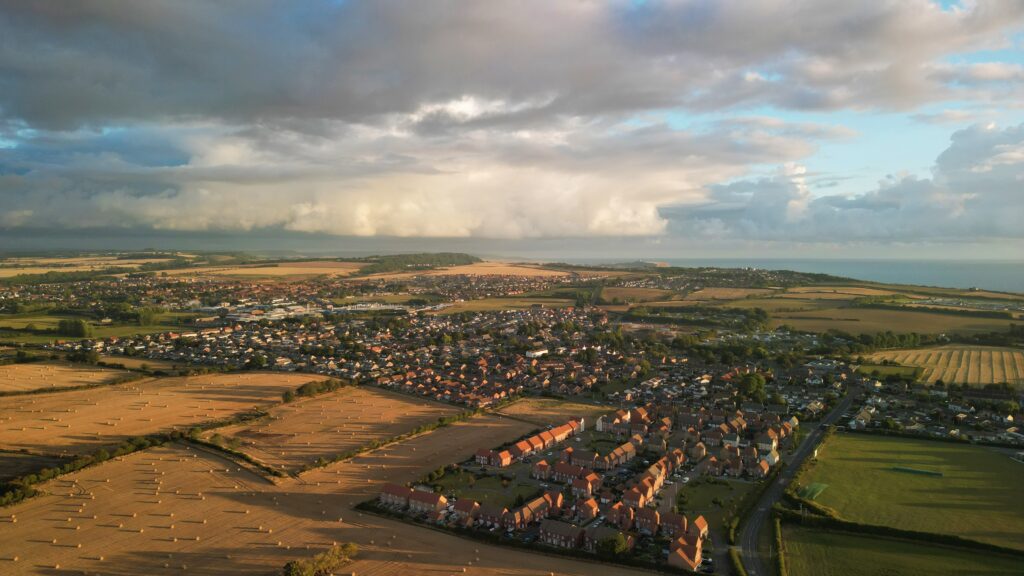
Read all of our latest press releases here, including past and present.
Share us on social media
Alerts & Notices
Welcome to Cayton Parish Council
Cayton is a an outstanding village and civil parish in the Scarborough Borough of North Yorkshire, England. Containing it’s very own bay, a surfers paradise awarded the ENCAMS Seaside Award and flying the distinctive blue and yellow flag. Cayton Bay beach is also Marine Conservation Society Recommended and one of only 105 British Isle beaches awarded the Quality Coast Award….
What’s on in Cayton..
What’s going on locally, our events diary will help you find events around the village and our wider area, if you know of any local events that you feel should be listed here please contact us and we will update as needed.
Latest Parish Council News
Cayton Community Drop In
Volunteers will be hosting free light lunches every Thursday 11am to 1pm at the Jubilee Hall. This is to give residents in Cayton, Cayton Bay and Killerby a warms space to socialise at each week, make new friends and access to a computer will be available if you need to apply for something online too.
Cayton Parish Newsletter
The Cayton Parish News Archives, download the latest newsletter with news and information for our local area. The Parish Council does not endorse any of the products or services advertised in this publication by external customers. Views expressed are those of the contributors & may not be those of the Parish Council.
Meetings & events
Meetings & Local Events.
Cayton Parish Council meetings start at 7.00pm
Full Council 3rd Tuesday of every month unless stated
The December meeting will start at 6.30pm promptly , all other monthly Full Council meetings will start at 7pm
Crime Prevention & Advice
This publication has been created to help you give advice to members of the public. It contains National Police guidance on
crime prevention in various categories.
Local planning..
All local Planning Applications are dealt with by Scarborough Borough Council, you can find out full information on all applications and how your Parish Council responds. All applications are available to the public and you can submit comments by email or post to SBC.
Latest Press Releases
Read all of our latest press releases here, including past and present.
Share us on social media
[/vc_column_text][/vc_column][/vc_row]
Alerts & Notices
Our Annual Parish Assembly is on the 11th April 2024, all welcome
Welcome to Cayton Parish Council
Cayton is a an outstanding village and civil parish in the Scarborough Borough of North Yorkshire, England. Containing it’s very own bay, a surfers paradise awarded the ENCAMS Seaside Award and flying the distinctive blue and yellow flag. Cayton Bay beach is also Marine Conservation Society Recommended and one of only 105 British Isle beaches awarded the Quality Coast Award….
What’s on in Cayton..
What’s going on locally, our events diary will help you find events around the village and our wider area, if you know of any local events that you feel should be listed here please contact us and we will update as needed.
Cayton Community Drop In
Volunteers will be hosting free light lunches every Thursday 11am to 1pm at the Jubilee Hall. This is to give residents in Cayton, Cayton Bay and Killerby a warms space to socialise at each week, make new friends and access to a computer will be available if you need to apply for something online too.
Cayton Parish Newsletter
The Cayton Parish News Archives, download the latest newsletter with news and information for our local area. The Parish Council does not endorse any of the products or services advertised in this publication by external customers. Views expressed are those of the contributors & may not be those of the Parish Council.
Meetings & events
Meetings & Local Events.
Cayton Parish Council meetings start at 7.00pm
Full Council 3rd Tuesday of every month unless stated
The December meeting will start at 6.30pm promptly , all other monthly Full Council meetings will start at 7pm
Crime Prevention & Advice
This publication has been created to help you give advice to members of the public. It contains National Police guidance on
crime prevention in various categories.
Local planning..
All local Planning Applications are dealt with by Scarborough Borough Council, you can find out full information on all applications and how your Parish Council responds. All applications are available to the public and you can submit comments by email or post to SBC.
Latest Press Releases
Read all of our latest press releases here, including past and present.
Share us on social media
[/vc_column_text]
Your Gateway to the East Coast & Yorkshire Moors…
Alerts & Notices
Welcome to Cayton Parish Council
Cayton is a an outstanding village and civil parish in the Scarborough Borough of North Yorkshire, England. Containing it’s very own bay, a surfers paradise awarded the ENCAMS Seaside Award and flying the distinctive blue and yellow flag. Cayton Bay beach is also Marine Conservation Society Recommended and one of only 105 British Isle beaches awarded the Quality Coast Award….
What’s on in Cayton..
What’s going on locally, our events diary will help you find events around the village and our wider area, if you know of any local events that you feel should be listed here please contact us and we will update as needed.
Latest Parish Council News
Cayton Community Drop In
Volunteers will be hosting free light lunches every Thursday 11am to 1pm at the Jubilee Hall. This is to give residents in Cayton, Cayton Bay and Killerby a warms space to socialise at each week, make new friends and access to a computer will be available if you need to apply for something online too.
Cayton Parish Newsletter
The Cayton Parish News Archives, download the latest newsletter with news and information for our local area. The Parish Council does not endorse any of the products or services advertised in this publication by external customers. Views expressed are those of the contributors & may not be those of the Parish Council.
Meetings & events
Meetings & Local Events.
Cayton Parish Council meetings start at 7.00pm
Full Council 3rd Tuesday of every month unless stated
The December meeting will start at 6.30pm promptly , all other monthly Full Council meetings will start at 7pm
Crime Prevention & Advice
This publication has been created to help you give advice to members of the public. It contains National Police guidance on
crime prevention in various categories.
Local planning..
All local Planning Applications are dealt with by Scarborough Borough Council, you can find out full information on all applications and how your Parish Council responds. All applications are available to the public and you can submit comments by email or post to SBC.
Latest Press Releases
Read all of our latest press releases here, including past and present.
Share us on social media
Alerts & Notices
Our Annual Parish Assembly is on the 11th April 2024, all welcome
Welcome to Cayton Parish Council
Cayton is a an outstanding village and civil parish in the Scarborough Borough of North Yorkshire, England. Containing it’s very own bay, a surfers paradise awarded the ENCAMS Seaside Award and flying the distinctive blue and yellow flag. Cayton Bay beach is also Marine Conservation Society Recommended and one of only 105 British Isle beaches awarded the Quality Coast Award….
Your Councillors
Agendas & Minutes
Council Accounts
Council Publications
What’s on in Cayton..
What’s going on locally, our events diary will help you find events around the village and our wider area, if you know of any local events that you feel should be listed here please contact us and we will update as needed.
Events Calendar
Latest Parish Council News
Cayton Community Drop In
Volunteers will be hosting free light lunches every Thursday 11am to 1pm at the Jubilee Hall. This is to give residents in Cayton, Cayton Bay and Killerby a warms space to socialise at each week, make new friends and access to a computer will be available if you need to apply for something online too.
Cayton Parish Newsletter
The Cayton Parish News Archives, download the latest newsletter with news and information for our local area. The Parish Council does not endorse any of the products or services advertised in this publication by external customers. Views expressed are those of the contributors & may not be those of the Parish Council.
View All News
Meetings & events
Meetings & Local Events.
Cayton Parish Council meetings start at 7.00pm
Full Council 3rd Tuesday of every month unless stated
The December meeting will start at 6.30pm promptly , all other monthly Full Council meetings will start at 7pm
Find Out More
Crime Prevention & Advice
This publication has been created to help you give advice to members of the public. It contains National Police guidance on
crime prevention in various categories.
Find Out More
Local planning..
All local Planning Applications are dealt with by Scarborough Borough Council, you can find out full information on all applications and how your Parish Council responds. All applications are available to the public and you can submit comments by email or post to SBC.
Find Planning Applications
Latest Press Releases
Read all of our latest press releases here, including past and present.
View Press Releases
Share us on social media
[/vc_column_text]
Your Gateway to the East Coast & Yorkshire Moors…
Alerts & Notices
Welcome to Cayton Parish Council
Cayton is a an outstanding village and civil parish in the Scarborough Borough of North Yorkshire, England. Containing it’s very own bay, a surfers paradise awarded the ENCAMS Seaside Award and flying the distinctive blue and yellow flag. Cayton Bay beach is also Marine Conservation Society Recommended and one of only 105 British Isle beaches awarded the Quality Coast Award….
What’s on in Cayton..
What’s going on locally, our events diary will help you find events around the village and our wider area, if you know of any local events that you feel should be listed here please contact us and we will update as needed.
Latest Parish Council News
Cayton Community Drop In
Volunteers will be hosting free light lunches every Thursday 11am to 1pm at the Jubilee Hall. This is to give residents in Cayton, Cayton Bay and Killerby a warms space to socialise at each week, make new friends and access to a computer will be available if you need to apply for something online too.
Cayton Parish Newsletter
The Cayton Parish News Archives, download the latest newsletter with news and information for our local area. The Parish Council does not endorse any of the products or services advertised in this publication by external customers. Views expressed are those of the contributors & may not be those of the Parish Council.
Meetings & events
Meetings & Local Events.
Cayton Parish Council meetings start at 7.00pm
Full Council 3rd Tuesday of every month unless stated
The December meeting will start at 6.30pm promptly , all other monthly Full Council meetings will start at 7pm
Crime Prevention & Advice
This publication has been created to help you give advice to members of the public. It contains National Police guidance on
crime prevention in various categories.
Local planning..
All local Planning Applications are dealt with by Scarborough Borough Council, you can find out full information on all applications and how your Parish Council responds. All applications are available to the public and you can submit comments by email or post to SBC.
Latest Press Releases
Read all of our latest press releases here, including past and present.
Share us on social media
Alerts & Notices
Our Annual Parish Assembly is on the 11th April 2024, all welcome
Welcome to Cayton Parish Council
Cayton is a an outstanding village and civil parish in the Scarborough Borough of North Yorkshire, England. Containing it’s very own bay, a surfers paradise awarded the ENCAMS Seaside Award and flying the distinctive blue and yellow flag. Cayton Bay beach is also Marine Conservation Society Recommended and one of only 105 British Isle beaches awarded the Quality Coast Award….
Your Councillors
Agendas & Minutes
Council Accounts
Council Publications
What’s on in Cayton..
What’s going on locally, our events diary will help you find events around the village and our wider area, if you know of any local events that you feel should be listed here please contact us and we will update as needed.
Events Calendar
Latest Parish Council News
Cayton Community Drop In
Volunteers will be hosting free light lunches every Thursday 11am to 1pm at the Jubilee Hall. This is to give residents in Cayton, Cayton Bay and Killerby a warms space to socialise at each week, make new friends and access to a computer will be available if you need to apply for something online too.
Cayton Parish Newsletter
The Cayton Parish News Archives, download the latest newsletter with news and information for our local area. The Parish Council does not endorse any of the products or services advertised in this publication by external customers. Views expressed are those of the contributors & may not be those of the Parish Council.
View All News
Meetings & events
Meetings & Local Events.
Cayton Parish Council meetings start at 7.00pm
Full Council 3rd Tuesday of every month unless stated
The December meeting will start at 6.30pm promptly , all other monthly Full Council meetings will start at 7pm
Find Out More
Crime Prevention & Advice
This publication has been created to help you give advice to members of the public. It contains National Police guidance on
crime prevention in various categories.
Find Out More
Local planning..
All local Planning Applications are dealt with by Scarborough Borough Council, you can find out full information on all applications and how your Parish Council responds. All applications are available to the public and you can submit comments by email or post to SBC.
Find Planning Applications
Latest Press Releases
Read all of our latest press releases here, including past and present.
View Press Releases
Share us on social media
[/vc_column_text]
Your Gateway to the East Coast & Yorkshire Moors…
Alerts & Notices
Welcome to Cayton Parish Council
Cayton is a an outstanding village and civil parish in the Scarborough Borough of North Yorkshire, England. Containing it’s very own bay, a surfers paradise awarded the ENCAMS Seaside Award and flying the distinctive blue and yellow flag. Cayton Bay beach is also Marine Conservation Society Recommended and one of only 105 British Isle beaches awarded the Quality Coast Award….
What’s on in Cayton..
What’s going on locally, our events diary will help you find events around the village and our wider area, if you know of any local events that you feel should be listed here please contact us and we will update as needed.
Latest Parish Council News
Cayton Community Drop In
Volunteers will be hosting free light lunches every Thursday 11am to 1pm at the Jubilee Hall. This is to give residents in Cayton, Cayton Bay and Killerby a warms space to socialise at each week, make new friends and access to a computer will be available if you need to apply for something online too.
Cayton Parish Newsletter
The Cayton Parish News Archives, download the latest newsletter with news and information for our local area. The Parish Council does not endorse any of the products or services advertised in this publication by external customers. Views expressed are those of the contributors & may not be those of the Parish Council.
Meetings & events
Meetings & Local Events.
Cayton Parish Council meetings start at 7.00pm
Full Council 3rd Tuesday of every month unless stated
The December meeting will start at 6.30pm promptly , all other monthly Full Council meetings will start at 7pm
Crime Prevention & Advice
This publication has been created to help you give advice to members of the public. It contains National Police guidance on
crime prevention in various categories.
Local planning..
All local Planning Applications are dealt with by Scarborough Borough Council, you can find out full information on all applications and how your Parish Council responds. All applications are available to the public and you can submit comments by email or post to SBC.
Latest Press Releases
Read all of our latest press releases here, including past and present.
Share us on social media
Alerts & Notices
Our Annual Parish Assembly is on the 11th April 2024, all welcome
Welcome to Cayton Parish Council
Cayton is a an outstanding village and civil parish in the Scarborough Borough of North Yorkshire, England. Containing it’s very own bay, a surfers paradise awarded the ENCAMS Seaside Award and flying the distinctive blue and yellow flag. Cayton Bay beach is also Marine Conservation Society Recommended and one of only 105 British Isle beaches awarded the Quality Coast Award….
Your Councillors
Agendas & Minutes
Council Accounts
Council Publications
What’s on in Cayton..
What’s going on locally, our events diary will help you find events around the village and our wider area, if you know of any local events that you feel should be listed here please contact us and we will update as needed.
Events Calendar
Latest Parish Council News
Cayton Community Drop In
Volunteers will be hosting free light lunches every Thursday 11am to 1pm at the Jubilee Hall. This is to give residents in Cayton, Cayton Bay and Killerby a warms space to socialise at each week, make new friends and access to a computer will be available if you need to apply for something online too.
Cayton Parish Newsletter
The Cayton Parish News Archives, download the latest newsletter with news and information for our local area. The Parish Council does not endorse any of the products or services advertised in this publication by external customers. Views expressed are those of the contributors & may not be those of the Parish Council.
View All News
Meetings & events
Meetings & Local Events.
Cayton Parish Council meetings start at 7.00pm
Full Council 3rd Tuesday of every month unless stated
The December meeting will start at 6.30pm promptly , all other monthly Full Council meetings will start at 7pm
Find Out More
Crime Prevention & Advice
This publication has been created to help you give advice to members of the public. It contains National Police guidance on
crime prevention in various categories.
Find Out More
Local planning..
All local Planning Applications are dealt with by Scarborough Borough Council, you can find out full information on all applications and how your Parish Council responds. All applications are available to the public and you can submit comments by email or post to SBC.
Find Planning Applications
Latest Press Releases
Read all of our latest press releases here, including past and present.
View Press Releases
Share us on social media
[/vc_column_text]
Your Gateway to the East Coast & Yorkshire Moors…
Alerts & Notices
Welcome to Cayton Parish Council
Cayton is a an outstanding village and civil parish in the Scarborough Borough of North Yorkshire, England. Containing it’s very own bay, a surfers paradise awarded the ENCAMS Seaside Award and flying the distinctive blue and yellow flag. Cayton Bay beach is also Marine Conservation Society Recommended and one of only 105 British Isle beaches awarded the Quality Coast Award….
What’s on in Cayton..
What’s going on locally, our events diary will help you find events around the village and our wider area, if you know of any local events that you feel should be listed here please contact us and we will update as needed.
Latest Parish Council News
Cayton Community Drop In
Volunteers will be hosting free light lunches every Thursday 11am to 1pm at the Jubilee Hall. This is to give residents in Cayton, Cayton Bay and Killerby a warms space to socialise at each week, make new friends and access to a computer will be available if you need to apply for something online too.
Cayton Parish Newsletter
The Cayton Parish News Archives, download the latest newsletter with news and information for our local area. The Parish Council does not endorse any of the products or services advertised in this publication by external customers. Views expressed are those of the contributors & may not be those of the Parish Council.
Meetings & events
Meetings & Local Events.
Cayton Parish Council meetings start at 7.00pm
Full Council 3rd Tuesday of every month unless stated
The December meeting will start at 6.30pm promptly , all other monthly Full Council meetings will start at 7pm
Crime Prevention & Advice
This publication has been created to help you give advice to members of the public. It contains National Police guidance on
crime prevention in various categories.
Local planning..
All local Planning Applications are dealt with by Scarborough Borough Council, you can find out full information on all applications and how your Parish Council responds. All applications are available to the public and you can submit comments by email or post to SBC.
Latest Press Releases
Read all of our latest press releases here, including past and present.
Share us on social media
Alerts & Notices
Our Annual Parish Assembly is on the 11th April 2024, all welcome
Welcome to Cayton Parish Council
Cayton is a an outstanding village and civil parish in the Scarborough Borough of North Yorkshire, England. Containing it’s very own bay, a surfers paradise awarded the ENCAMS Seaside Award and flying the distinctive blue and yellow flag. Cayton Bay beach is also Marine Conservation Society Recommended and one of only 105 British Isle beaches awarded the Quality Coast Award….
Your Councillors
Agendas & Minutes
Council Accounts
Council Publications
What’s on in Cayton..
What’s going on locally, our events diary will help you find events around the village and our wider area, if you know of any local events that you feel should be listed here please contact us and we will update as needed.
Events Calendar
Latest Parish Council News
Cayton Community Drop In
Volunteers will be hosting free light lunches every Thursday 11am to 1pm at the Jubilee Hall. This is to give residents in Cayton, Cayton Bay and Killerby a warms space to socialise at each week, make new friends and access to a computer will be available if you need to apply for something online too.
Cayton Parish Newsletter
The Cayton Parish News Archives, download the latest newsletter with news and information for our local area. The Parish Council does not endorse any of the products or services advertised in this publication by external customers. Views expressed are those of the contributors & may not be those of the Parish Council.
View All News
Meetings & events
Meetings & Local Events.
Cayton Parish Council meetings start at 7.00pm
Full Council 3rd Tuesday of every month unless stated
The December meeting will start at 6.30pm promptly , all other monthly Full Council meetings will start at 7pm
Find Out More
Crime Prevention & Advice
This publication has been created to help you give advice to members of the public. It contains National Police guidance on
crime prevention in various categories.
Find Out More
Local planning..
All local Planning Applications are dealt with by Scarborough Borough Council, you can find out full information on all applications and how your Parish Council responds. All applications are available to the public and you can submit comments by email or post to SBC.
Find Planning Applications
Latest Press Releases
Read all of our latest press releases here, including past and present.
View Press Releases
Share us on social media
[/vc_column_text]
Your Gateway to the East Coast & Yorkshire Moors…
Alerts & Notices
Welcome to Cayton Parish Council
Cayton is a an outstanding village and civil parish in the Scarborough Borough of North Yorkshire, England. Containing it’s very own bay, a surfers paradise awarded the ENCAMS Seaside Award and flying the distinctive blue and yellow flag. Cayton Bay beach is also Marine Conservation Society Recommended and one of only 105 British Isle beaches awarded the Quality Coast Award….
What’s on in Cayton..
What’s going on locally, our events diary will help you find events around the village and our wider area, if you know of any local events that you feel should be listed here please contact us and we will update as needed.
Latest Parish Council News
Cayton Community Drop In
Volunteers will be hosting free light lunches every Thursday 11am to 1pm at the Jubilee Hall. This is to give residents in Cayton, Cayton Bay and Killerby a warms space to socialise at each week, make new friends and access to a computer will be available if you need to apply for something online too.
Cayton Parish Newsletter
The Cayton Parish News Archives, download the latest newsletter with news and information for our local area. The Parish Council does not endorse any of the products or services advertised in this publication by external customers. Views expressed are those of the contributors & may not be those of the Parish Council.
Meetings & events
Meetings & Local Events.
Cayton Parish Council meetings start at 7.00pm
Full Council 3rd Tuesday of every month unless stated
The December meeting will start at 6.30pm promptly , all other monthly Full Council meetings will start at 7pm
Crime Prevention & Advice
This publication has been created to help you give advice to members of the public. It contains National Police guidance on
crime prevention in various categories.
Local planning..
All local Planning Applications are dealt with by Scarborough Borough Council, you can find out full information on all applications and how your Parish Council responds. All applications are available to the public and you can submit comments by email or post to SBC.
Latest Press Releases
Read all of our latest press releases here, including past and present.